Dragons are the quintessential mythical creature. They soar through our stories, although remain elusive in the physical world. This paradox is especially sharp when considering Chinese astrology, where the Dragon is the sole non-physical member of the twelve animal zodiac signs. We see the Tiger, the Horse, and the Rabbit, but where is the Dragon?
This absence is compounded by its status as one of the four mystical and holy beings alongside the tangible Tortoise and Tiger humans may see Tiger and Tortoise in our reality, and the equally ethereal Phoenix, where that bird go?
It raises the profound question: Why is the dragon, so deeply woven into our consciousness, absent from our observable reality?
The enduring human fascination with dragons stems from a shared, powerful memory.
I was reminded of this recently, sitting by the window, catching sight of a book about these grand creatures. It brought me back to my childhood days, of saving every coin, for new books, and visiting the local library.
I recall one particularly mystical children’s book featuring a sophisticated dragon—a creature that sat by a window, reading a book, and calmly drinking tea. I got book from local library. This image of the dragon with cup of tea in it’s hand, speaks to the deep intelligence and gentle nature, we sometimes assign to these beings, contrasting sharply with their fiery reputation.
Perhaps the reason for our collective memory is because, at certain points in time, physical dragons were simply a matter of this reality, they were real, creatures that flew in the sky as naturally as birds do today. Whether small or colossal, the lore suggests they are fundamentally interconnected with our world, living life not just around humans, maybe through us. This relationship is deeply reciprocal: what they experience, we experience, and vice versa.
It forces us to ask: do we have a dragon as a pet, or does the dragon have us? The same mystery applies to crystals; we don’t choose them, they choose us, affirming that these elements are alive and conscious.
In Chinese culture, the dragon is not merely a figure of mythology, but a foundational ancestor. Many Chinese people view themselves as descendants of the dragon, a reverence visible in countless celebrations. The vibrant Dragon Dance, where people don elaborate costumes, it is a testament to this deep cultural pride.
Interestingly, the traditional Chinese dragons are often depicted as wise, benevolent, and almost “puppy-like” in their joyful demeanor, reflecting their role as symbols of power, wisdom, and fortune.
For me, the connection moved from fascination,to experience around 2017, irrevocably changing my perspective, though I suspect the link existed long before that date.
Our ongoing obsession, reflected in countless movies, books, and art forms, suggests that the dragon is not merely a creature of fantasy. It is an essential component of the human story and reality, they are a matter or/and the fabric of this reality, patiently waiting for us to remember…
I’m going to the hill or mountain and ask the dragon…
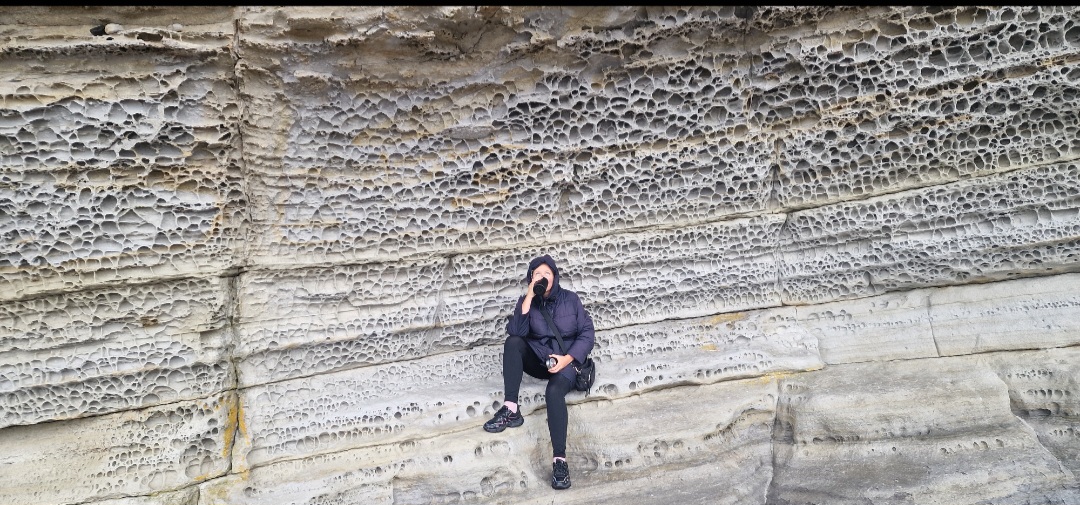
The picture above is taken sometime ago at the Isle of Sky in Scotland. It fascinates me because the rock looks like bone marrow, very big bone marrow, maybe that of long gone dragone…
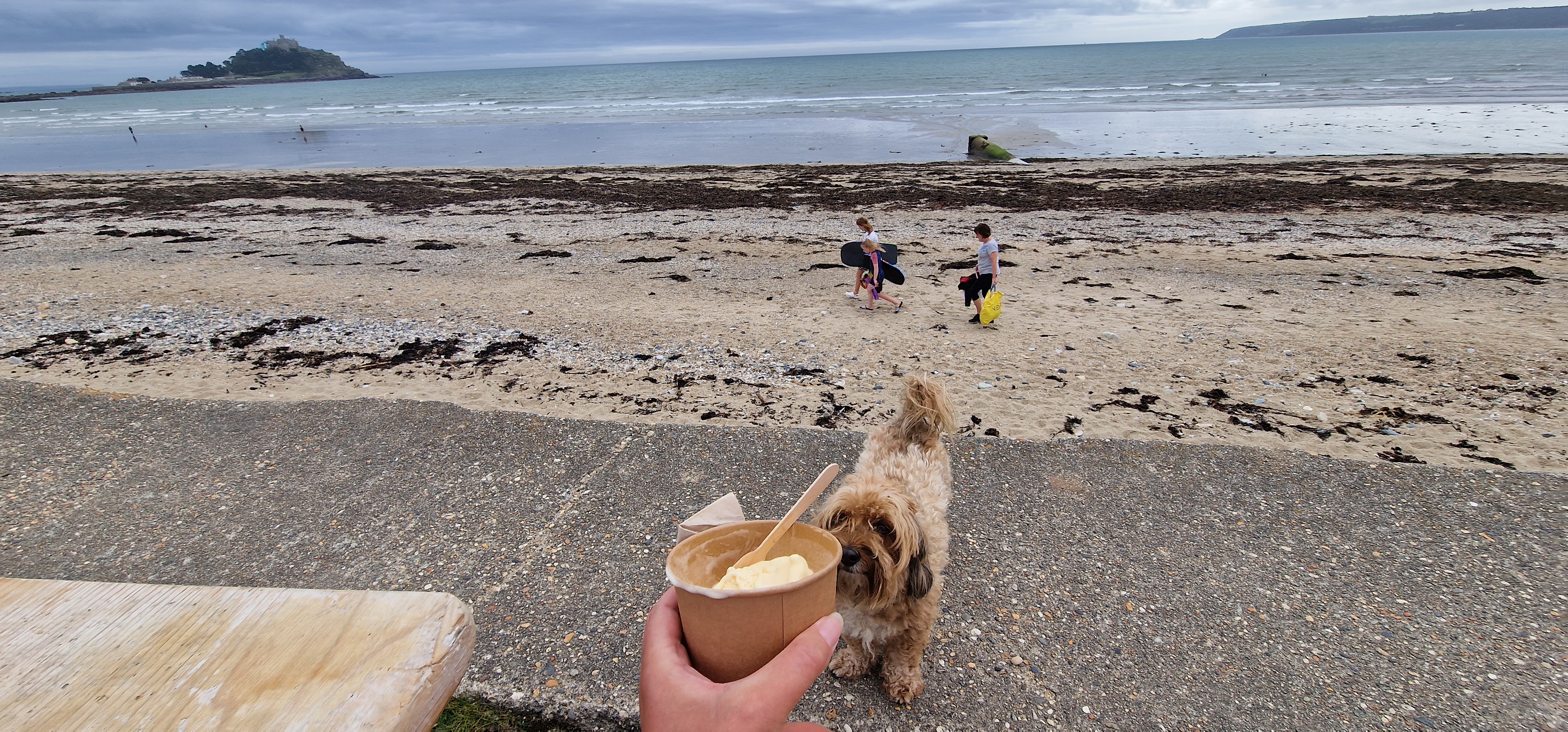
Just having a cup of tea…

 moment art now